Electrical Contact
Materials

Integrated Solutions for Precious
Metal Composite Contacts

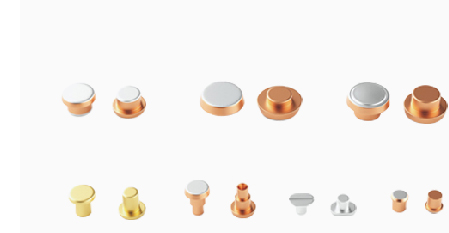
Electrical contact rivets

Contact Rivets

Contact rivets are electrical contact components fabricated by riveting a silver alloy cladding onto a copper substrate. They function as the core actuating elements of relays, contactors and other low-voltage switching devices to make and break electrical circuits.

Main Materials

Material grades include AgNi/Cu, AgSnO2/Cu, AgSnO2In2O3 / Cu, AgCu/Cu, Ag/Cu, AgZnO/Cu and AgCuO/Cu. We supply bi-composite, tri-composite and solid monolithic rivet styles.

Product Advantages

1. Advanced forming and surface treatment ensure consistency in dimensions, silver layer distribution, and contact resistance
2. Customized solutions available

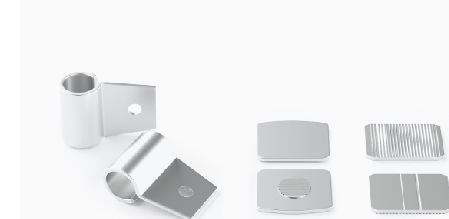
Silver contact tips

Contact Tips

Flat electrical contacts manufactured from silver-based alloys serve as core components of medium and high-voltage electrical equipment including contactors and circuit breakers, engineered for circuit make-and-break switching in high-current applications.

Main Materials

AgZnO, AgNi, AgSnO2In2O3, AgSnO2, AgCu, AgSnO2/Cu, AgCuO, etc

Product Advantages

1. A comprehensive range of materials and process options, backed by proprietary intellectual property high product reliability
2. Current ratings from 0.1A to 4000A
3. Customized solutions available

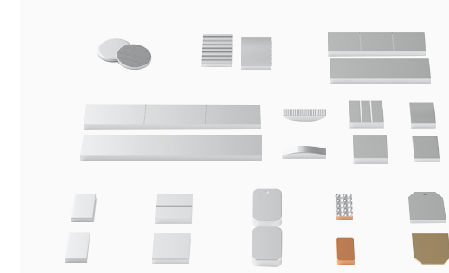
Powder metallurgy contact tips

Powder Metallurgy Contact Tips

These electrical contact components are manufactured using powder metallurgy, which involves blending, compacting and sintering silver, tungsten, nickel and other metal powders.

Main Materials

AgC series, AgW, AgWC, AgWCC, AgSnO2, AgZnO, AgNi series, AgNiC, CuW, etc

Product Advantages

1. A comprehensive range of materials and process options, backed by proprietary intellectual property
2. Stable performance, high breaking capacity, strong arc erosion resistance, and uniform microstructure
3. Most products can be supplied with brazing alloy
4. Customized solutions available

Clad contact strips

Clad Strips

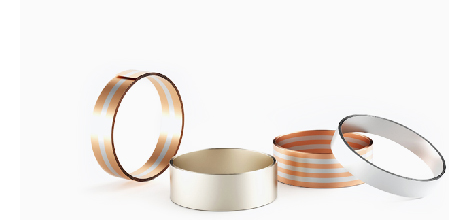
Clad strip electrical contact materials are manufactured via cladding processes, featuring a silver or silver-alloy surface layer metallurgically bonded to a copper alloy substrate. They deliver excellent electrical conductivity and mechanical properties, and support stamping and welding of complex-profile parts.

Main Materials

Clad strips: Ag, AgNi, AgZnO, AgSnO2, AgSnO2In2O3 bonded to copper or copper-alloy substrates

Product Advantages

1. A wide range of material options are available, including inlay-clad, surface-clad, embossed-clad and side-clad strip specifications

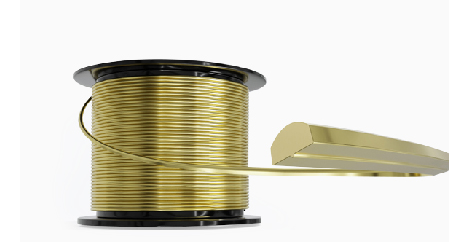
Profile contact materials

Profile Materials

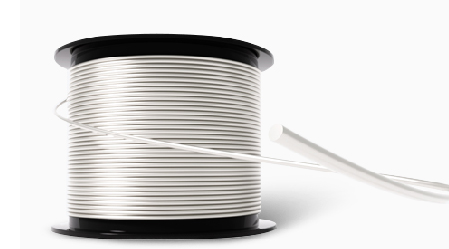
Silver composite contact materials with special cross-section profiles are ideal for miniaturized, lightweight devices such as relays and switches, offering stable contact performance and superior electrical conductivity for complex structural designs.

Main Materials

AgNi, AgC/BAg15CuP, AgNi/Cu, AgSnO2, Au/AgNi/CuNi9Sn2/BAg15CuP, AgZnO/BAg15CuP, etc.

Product Advantages

1. Special profile designs help reduce contact weight and support the miniaturization and lightweight design of relay products

Brazing materials

Brazing Materials

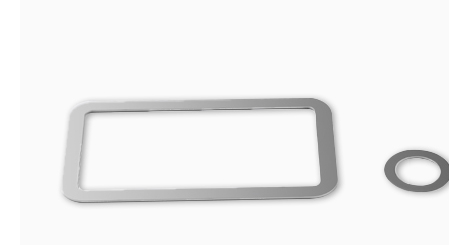
Composed primarily of silver, copper, zinc and phosphorus, these brazing alloys are engineered for joining electrical contacts, low-voltage electrical equipment and vacuum components, delivering consistent conductivity and robust mechanical joint integrity.

Main Materials

AgCu series, AgCuZn, AgCuP, etc

Product Advantages

1. High precision, with thickness tolerances as tight as ±0.005 mm
2. Stable and reliable performance proven through years of demanding use in vacuum relays and magnetrons
3. Customized solutions available

Electrical contact assemblies

Contact Assemblies

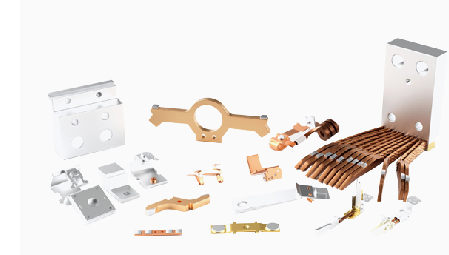
Fabricated from electrical contact elements and corresponding structural components through welding, riveting and other joining processes, this integrated assembly acts as the core functional part of switching devices. It delivers direct circuit switching control and is widely used in relays, contactors and circuit breakers.

Main Materials

In-mold welding, in-mold riveting, induction brazing, flame brazing, and resistance brazing

Product Advantages

1. A full range of brazing processes
2. stable joining quality, excellent appearance, and high consistency in braze coverage, shear strength, and metallographic structure

QUESTIONS?

Our experts are here for you!

Contacts